
Why More Businesses Are Outsourcing – And Winning(ai statistics)
The rise of remote work has transformed the traditional office-based employment landscape and allowed businesses to optimise efficiency, scale operations, and enhance workforce capabilities. As more organisations embrace digital transformation, many are also turning to offshore outsourcing to build high-performing teams. Outsourcing is an attractive option for companies looking to optimise costs, access global expertise, and stay competitive in an evolving market.(Remote Work Statistics)
Outsourcing solutions have become a strategic advantage, helping businesses streamline operations while maintaining flexibility. Below, we explore five key benefits driving the adoption of global outsourcing.
The rise of remote work and outsourcing
The shift to remote work has highlighted the advantages of global teams, which reinforces the need for businesses to adapt to new ways of working. Notably, as of 2024, approximately 40% of the global workforce is engaged in some form of remote work, with developed economies like the U.S., UK, and Germany leading this shift – a significant increase from pre-pandemic levels.1
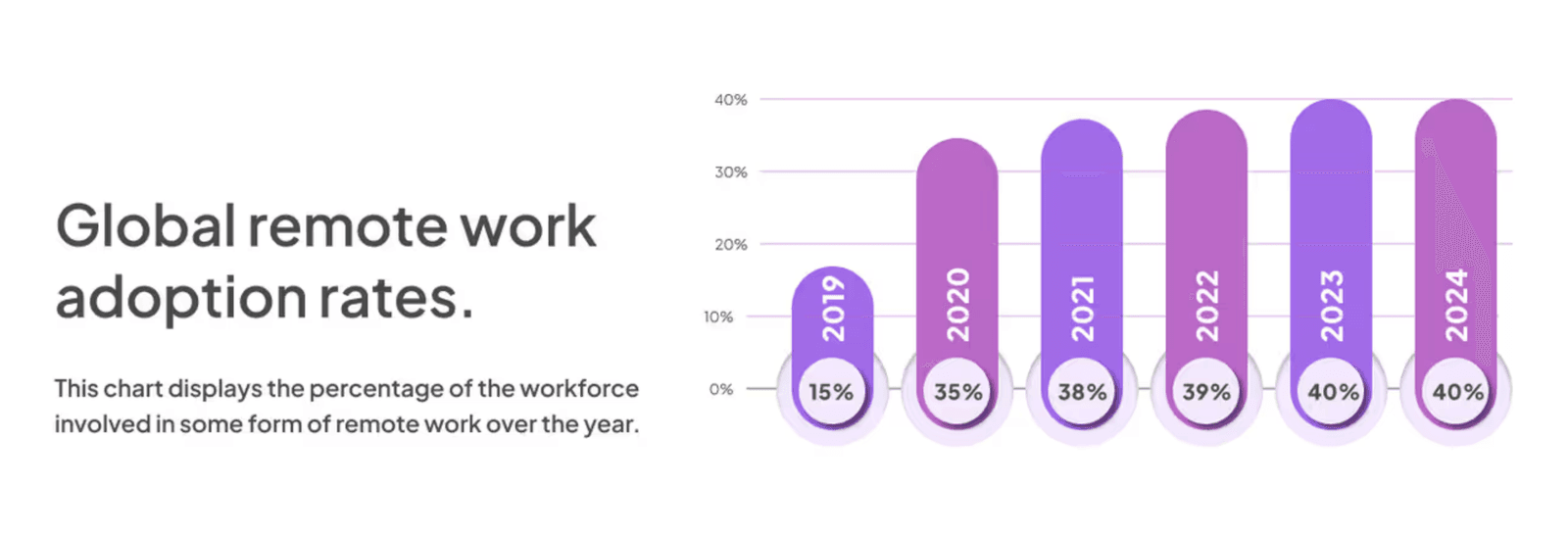
Outsourcing remote teams is not just about reducing costs – it’s about tapping into a global workforce, which then increases operational agility and helps businesses focus on core business objectives.
1. Ability to tap into global talent pools
Geographic limitations often restrict traditional hiring, making it challenging to find the right expertise. In fact, 75% of employers report difficulty filling job vacancies due to local talent shortages.2 Businesses are no longer restricted to local hiring – they can now access top talent from around the world.(labor statistics)
Offshore outsourcing eliminates these barriers and gives businesses access to specialised talent across different industries and regions.
By hiring globally, organisations can:
- Fill skill gaps without lengthy recruitment processes.
- Leverage diverse perspectives to drive innovation.
- Ensure round-the-clock productivity by utilising different time zones.
By strategically managing this talent, organisations maintain a competitive edge in their respective industries.
2. Cost optimisation and operational efficiency
One of the most compelling reasons for offshore outsourcing is cost savings. While traditional in-house teams remain essential, many businesses choose to outsource specific roles to reduce labour costs, without the overhead costs of hiring in-house employees.
Cost-saving areas of outsourcing include:
- Lower wages in offshore markets compared to in-house employee salaries.
- Reduced infrastructure such as physical office spaces and utilities, and administrative expenses.
- More efficient resource allocation, freeing up capital for business expansion.
- Recruitment, training costs, and benefits.
Aside from eliminating costs, outsourcing also enhances operational efficiency by optimising resource allocation and reducing administrative burdens, which enables businesses to scale effectively.
3. Increased flexibility and agility
To thrive in today’s dynamic business environment, adaptability is key. Companies that rely solely on in-house teams may struggle with fluctuating workloads and sudden shifts in demand. Scaling resources locally to handle fluctuations can be expensive, potentially causing customer service issues or lost opportunities if not managed properly.
Outsourcing provides scalable workforce solutions, which allow businesses to expand or contract teams as needed – without long-term commitments.
Key advantages of outsourcing for agility:
- Ability to scale up quickly if demand increases.
- Faster turnaround times by leveraging a distributed workforce.
- Reduced operational risks associated with hiring full-time employees.
By integrating outsourced teams into their workforce strategy, businesses can remain agile while focusing on innovation and growth.
5. Leveraging technology advancements for collaboration
Technology has revolutionised remote work, enabling businesses to manage outsourced teams with ease, and remote teams to operate effectively from anywhere in the world. From real-time communication to AI-driven automation, digital tools facilitate collaboration and productivity across global teams.
- Video conferencing platforms (Zoom, Google Meet, Microsoft Teams) for real-time communication.
- Project management software (Monday.com, Trello) to track tasks and deadlines.
- AI-driven automation to streamline repetitive tasks and enhance efficiency.
With businesses allocating up to 20% of their tech budgets to AI and 58% planning to increase AI investments in 20253, integrating AI in outsourcing strategies has become essential for driving productivity and maintaining a competitive edge. AI-powered tools and cloud-based collaboration platforms enable teams to work efficiently, improve workflows, and enhance communication regardless of location. By utilising the right technologies, teams can navigate the complexities of remote environments and achieve their goals more efficiently.
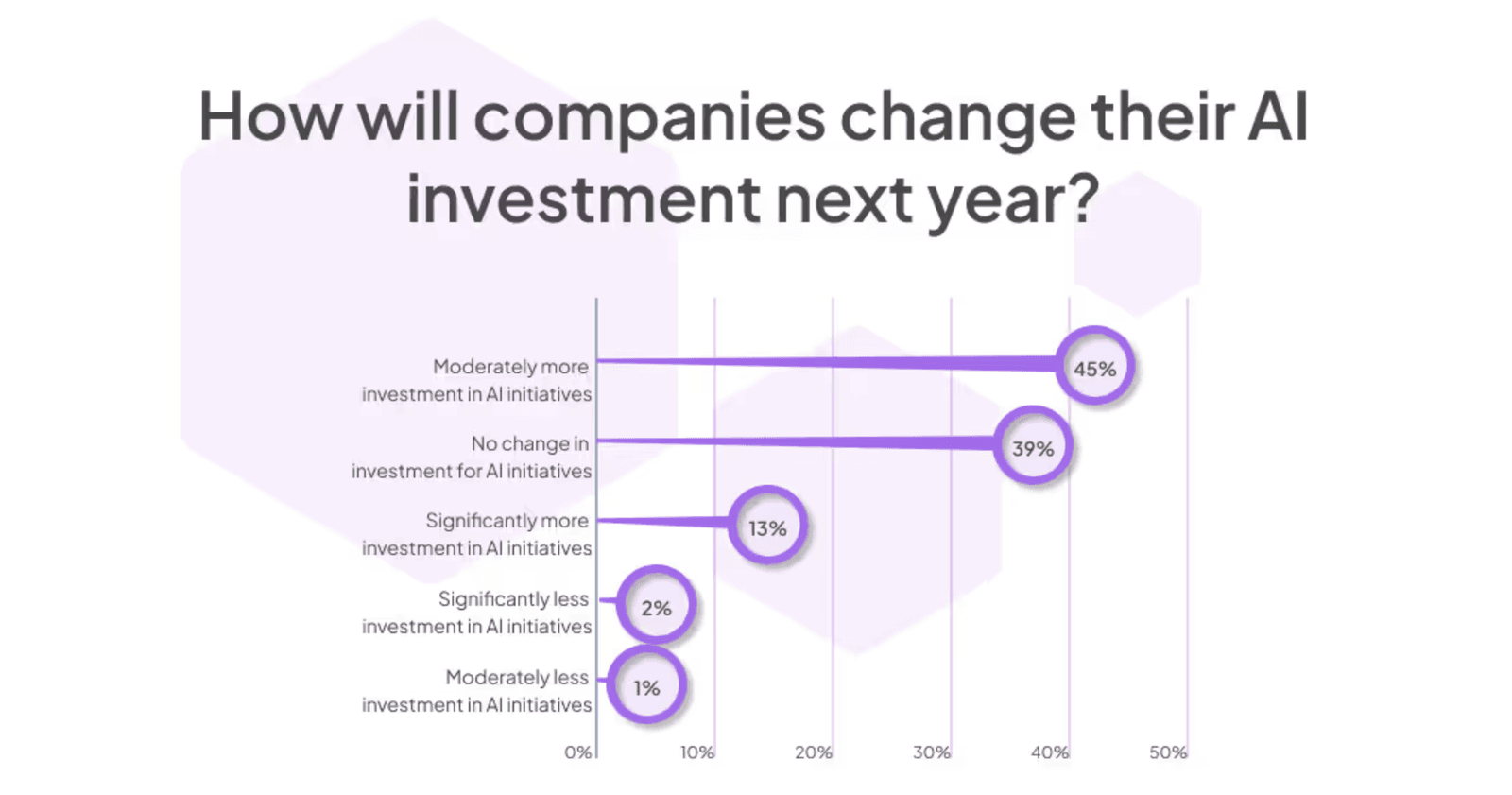
Is offshore outsourcing your next step to business growth?

4. Focus on core business functions with the support of skilled offshore teams
For businesses to maximise efficiency and growth, focusing on core competencies is crucial. Offshore outsourcing allows businesses to tap into a diverse pool of global talent, which allows them to delegate both non-core and core tasks to skilled professionals. Whether it’s handling business functions like customer support, software development, or finance, offshore teams bring high levels of expertise to the table. Through talented teams integrated into operations, businesses can free up internal resources, and this helps them focus on strategic initiatives, driving revenue and achieving long-term growth, all while maintaining exceptional quality in both core and non-core business functions.
Commonly outsourced functions include:
However, successful outsourcing requires careful planning and a well-structured strategy. Selecting the right partners and ensuring alignment with your company’s goals is critical to achieving seamless integration and maximising the effectiveness of outsourced teams. When choosing an outsourcing provider, it’s important to evaluate their operational model. To help you make an informed decision, check out our guide. This will provide you with valuable insights into choosing the right outsourcing partner for your business.
Offshore outsourcing is no longer just about cost savings – it’s a tool for business growth, innovation, and efficiency. As companies seek ways to maximise productivity, leveraging global talent and integrating technologies like AI into outsourcing solutions is becoming essential to scale quickly, reduce costs, and stay agile in a competitive landscape.
Discover how AI is transforming offshore teams for hyper-scale growth in this podcast with Fintech Chatter.

About the Author
Simon Lee
Co-Founder, Teamified
Simon Lee is the co-founder and CEO of Teamified, with deep expertise in cloud architecture, fintech, and SaaS platforms. He leads the vision behind Alexia.ai, designing AI-powered solutions that drive operational efficiency and business growth across global teams.
Connect on LinkedInPost a job. Get a scored shortlist.
Create your job once, publish it across multiple job boards, and let Teamified’s technology score every candidate across resumes, assessments, AI interviews and human interviews.