
FairLens · Bias screening
The agent that
checks our own work.
FairLens runs in two modes. Blind suppresses the signals that bias decisions before they are made. Audit screens every interview analysis for bias, and any hiring manager can re-run the same interview or output through a different model, without leaving Teamified.
AI does not always get it right. FairLens exists so a person can challenge it.
Model A · original read
78 / 100
Communication strong, systems depth flagged for review.
Bias screen: queued
Model B · challenge read
··
Any hiring manager can request this, one click, same interview.
Standing by
Iris scores the interview. 78 / 100.
What is FairLens bias screening?
FairLens is Teamified's fairness agent, and it runs in two modes. In Blind mode it suppresses age, photo, name and date signals before a decision is made, on a recency window you configure. In Audit mode it screens every AI interview analysis for bias in the wording, score weighting and flagged signals before it reaches a shortlist, and any hiring manager can re-run the same interview through a different model for an independent second opinion. FairLens never advances or rejects anyone: a human makes every decision.
Why a bias agent at all
Most platforms ask you to trust the AI. Ours assumes you should not have to.
Thirteen agents build, post, source, screen, verify, interview and schedule on our platform. FairLens exists only to check the others. Every score it clears carries the reasoning that produced it, so a claim can always be traced back to the moment in the interview that made it.
That is the trust thread that runs through everything we build: humans decide, evidence not verdicts, privacy by default. FairLens is where it becomes a product capability instead of a promise.
Evidence, not verdicts
Scores are signals for a person to weigh, with the reasoning attached. Nothing is acted on automatically.
Humans decide
No candidate is ever advanced or rejected by a machine. Every flag is raised for a person to judge.
Private by default
Candidates own their interviews. Only your hiring team sees a candidate's file, and nothing is shared unless the candidate chooses to.
Two modes, one agent
Blind before the decision. Audit after the analysis.
Fairness is not one job. Some bias creeps in before anyone scores anything; some hides inside the analysis itself. FairLens covers both ends.
Blind mode
The signals never reach the decision
Age, photo, name and date signals are suppressed before the decision is made, so the shortlist is read on evidence, not on demographics. You configure the recency window: how far back dates and history stay visible, and where they blur.
- Age, photo, name and date signals suppressed pre-decision
- Configurable recency window, set per role or per company
- The full record returns after the decision, for the audit trail
Audit mode
Every analysis checked, and challengeable
Every interview analysis is screened for bias in the wording, weighting and flagged signals before it reaches you, and any hiring manager can re-run the same interview through a different model for an independent second opinion.
- Wording, weighting and signals screened on every analysis
- One-click re-run through a different model
- Both reads kept on the record for the decision
How the check works
How does FairLens screen for bias? Screened, challengeable, never the last word.
Skills-gap, competency and communication are scored automatically on every interview, then cross-checked for bias by FairLens, whether the round was AI-led or human-led. Here is what happens between the analysis landing and a person deciding.
01 · Every analysis
Screened before it reaches you
Every interview analysis passes through FairLens before it lands on a shortlist. Wording, score weighting and flagged signals are checked for bias, so what you read has already been read.
02 · One click
Re-run through a different model
Any hiring manager can re-run the same interview or output through a different model, without leaving Teamified. An independent read of the same evidence, not a reshuffle of the same opinion.
03 · Side by side
Both reads on the record
The original analysis and the challenge read sit next to each other, with the reasoning attached to every score. Where they disagree is exactly where a person should look.
04 · Always
A human makes the call
FairLens never advances or rejects anyone. It clears evidence, raises flags and hands both reads to a person. No decision is ever handed to a machine.
The line we never cross
AI does not always get it right. FairLens exists so a person can challenge it.
A second opinion should not require a support ticket, an export, or an argument with a black box. On Teamified it is one click, and it belongs to the hiring manager, not to us.
The second opinion, built in
Disagree with the AI? Good. Re-run it.
When a score does not match what you saw in the replay, you should not have to take it or leave it. Re-run the same interview or output through a different model and get a genuinely independent read: different model, same evidence, no context shared between the two.
Where the reads agree, you can move faster with more confidence. Where they disagree, you know exactly which part of the interview deserves a human eye. Either way, both reads stay on the candidate's record, part of the audit trail.
- One click, without leaving Teamified
- Any hiring manager can request it, on any analysis
- Independent model, same interview, fresh read
- Both reads kept on the record for the decision
People decide
Both reads land with a person, not a verdict
FairLens clears evidence and raises flags; it never advances or rejects anyone. The original analysis and any challenge read sit side by side in front of your hiring manager. The AI surfaces the signals. A human always decides.
- Every flag raised for a person to judge, with the reasoning attached
- Any analysis re-runnable through a different model, on request
- No candidate is ever advanced or rejected by a machine

Audit clear
Both reads agree
Flag raised
Score weighting queried
For a person to judge
A human always decides
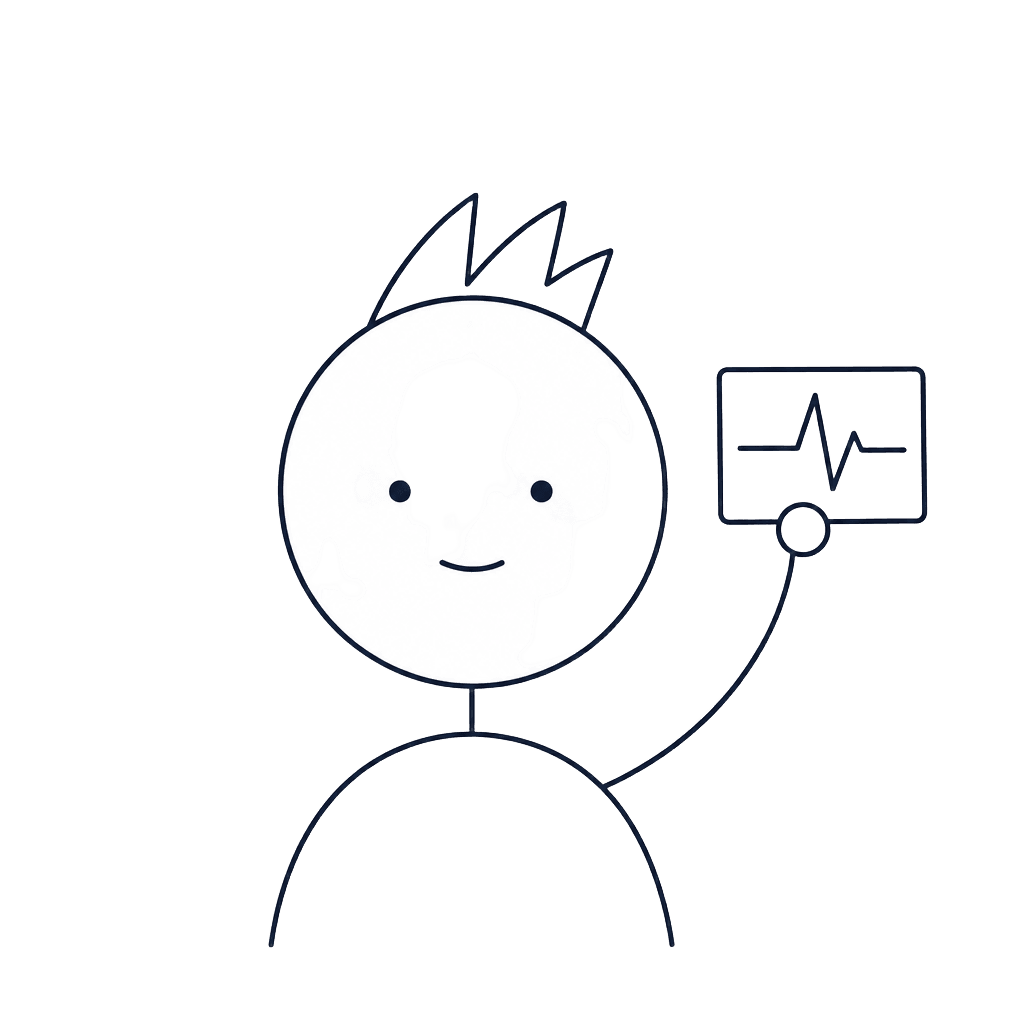
Pulse · Analytics
The funnel, read for you. With the fix attached.
Pulse reads the live funnel and explains what is happening in plain language, then proposes one-click changes to the role. Not a dashboard you have to interpret. A sentence you can act on.
Pulse proposes; a person applies the change, or does not. Every proposal carries the evidence that produced it, on the same rubric as everything else.
- The funnel explained in plain language, not chart-speak
- One-click proposals: drop a bar, lift a band, widen a location
- Evidence attached to every proposal
- Nothing changes until a person applies it
You have rejected 14 of 18 candidates on one criterion. You are asking for 8/10 Kubernetes; the median candidate at this salary scores 7.
Three ways out
Pulse proposes. You apply the change, or you don't.
AI with human guardrails
Autonomous where it's safe. Accountable everywhere.
You set the rules.
Define what each agent may do: what it posts, who it contacts, when it must stop and ask.
Every action logged.
A full audit trail of what each agent did and the evidence behind every score.
Recordings are private by default.
Candidates own their interviews; only your hiring team sees a candidate's file.
ISO 27001 in progress.
Expected by the end of October 2026.
Where the evidence comes from
FairLens checks the work. These agents do it.
Bias screening only matters if the evidence underneath is real. See how the interviews and the screening it audits actually run.
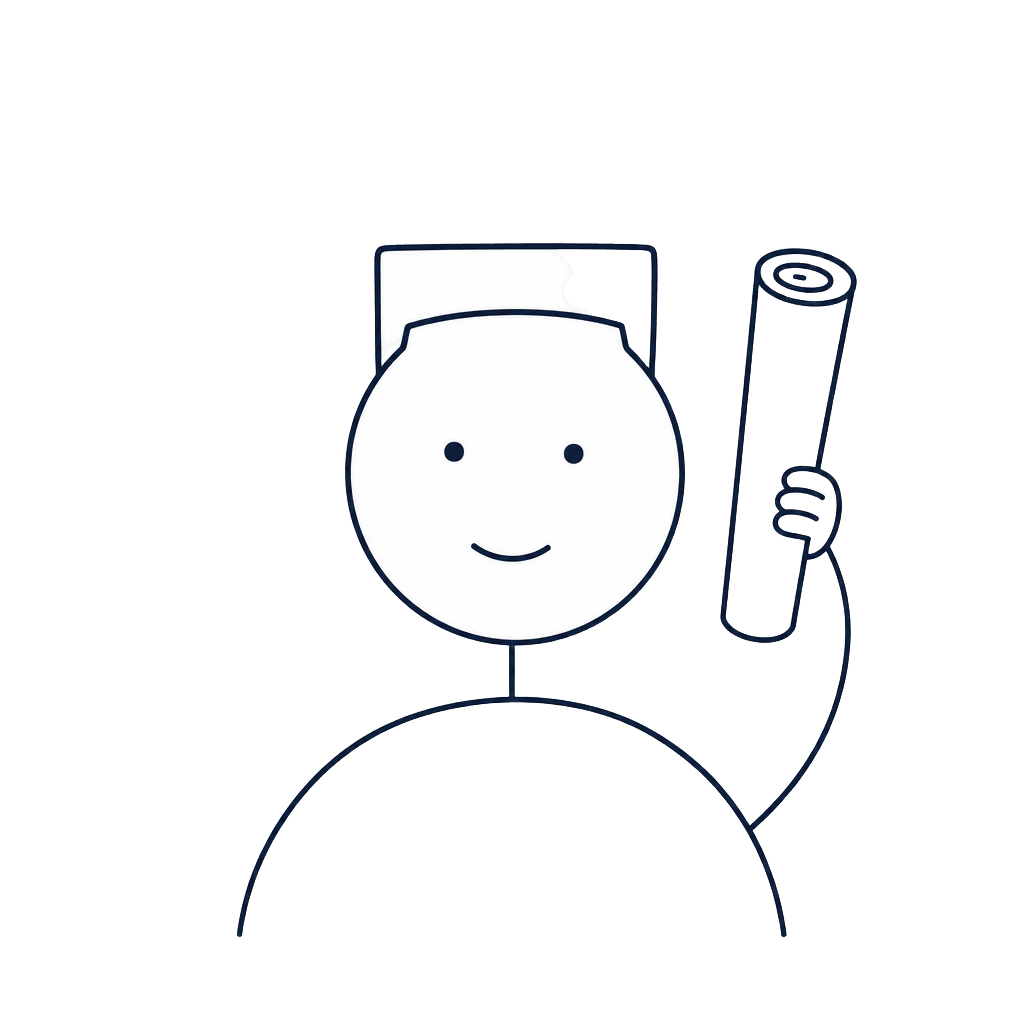

 Mason + Quill + Compass
Job creation
Where the bar gets set. Mason builds the JD, Quill designs the questions, and Compass learns what good looks like, so FairLens has a rubric to hold every decision to.
Explore Iris
IrisAI & human interviews
Recorded, structured interviews with job-specific questions, scored on what candidates actually say and do. FairLens checks every one.
Explore
 Sift + Vera
Screening & verification
Every resume read the same way on arrival, every claim checked on a real call. The same rubric FairLens holds to account.
ExploreWhere the six weeks of a traditional hire goes
Six weeks is what a traditional hire really costs, and most of it is waiting. The full story of where the time goes and why an agent crew collapses it.
ExploreQuestions, answered
Fair AI hiring, answered.
Direct answers to the questions teams ask about bias, second opinions and human oversight.
Alexia, the platform every agent runs on
Every agent you meet on this site runs on Alexia. Each one is configured with a primary model and a secondary failover, and each connects to 180+ software products. They range from agents built for a single task to agents that help run whole teams: gathering data, setting goals, creating tasks, and managing work and group chats.
Want to build your own agents? Log into Alexia and start today.
Build your own agents ATS
ATS Team Connect
 HRIS
HRIS Job Seeker