Key Takeaways
- The best HRIS for a growing company depends on employee lifecycle needs, locations, payroll arrangements, integrations and internal processes.
- Compare employee records, onboarding, leave, reporting, access controls and employee self-service before prioritizing advanced features.
- The vendors in this guide have different product scopes. Confirm features, plan availability and prices directly before making a shortlist.
- Consider whether you prefer a people-focused system or a broader platform that also includes recruitment and collaboration.
An HR information system (HRIS) can feel unnecessary when a business has ten employees. A spreadsheet may be enough to track leave balances, employee records and onboarding documents.
Growth changes the workload. Hiring accelerates, policies become harder to manage consistently, managers need better visibility into performance and employees expect self-service access to leave requests, payslips, company documents and personal information. Without suitable HR software, administrative work can grow faster than the team.
A modern HRIS centralizes employee information, standardizes HR processes and gives leaders visibility into workforce information. Many platforms now include automation intended to reduce repetitive work, although results depend on the process and configuration. Growing companies should choose based on the work they need to manage, their locations and plans for growth. Product features and pricing change, so confirm current terms with each vendor.
Deloitte's Global Human Capital Trends research provides broader context on how organizations are responding to changing workforce and workplace needs, including the role of HR technology.
What makes the best HRIS systems?
Every HR platform manages employee records. The best HRIS systems do more. Growing companies often need software for onboarding, leave management, document storage, performance processes, reporting and workflow automation. Employee self-service becomes increasingly important because it can reduce routine enquiries and give employees access to the information they need.
Integration should also be a major consideration. Many businesses already use payroll software, collaboration tools, applicant tracking systems, accounting platforms and productivity software. An HRIS that connects with these systems can reduce duplicate data entry and help keep information consistent. Confirm the actual connection and data flow rather than assuming an integration listing covers your use case.
As AI becomes more common in HR software, evaluate reporting, workforce analytics and automation alongside traditional HR functionality. Ask what information is processed, how results are reviewed and what remains the responsibility of HR staff.
Best HRIS systems for growing companies
The following providers represent different approaches to HR and people operations. This list is not a ranking. Review the current product scope and request a demonstration that covers your organization's employee lifecycle.
Alexia
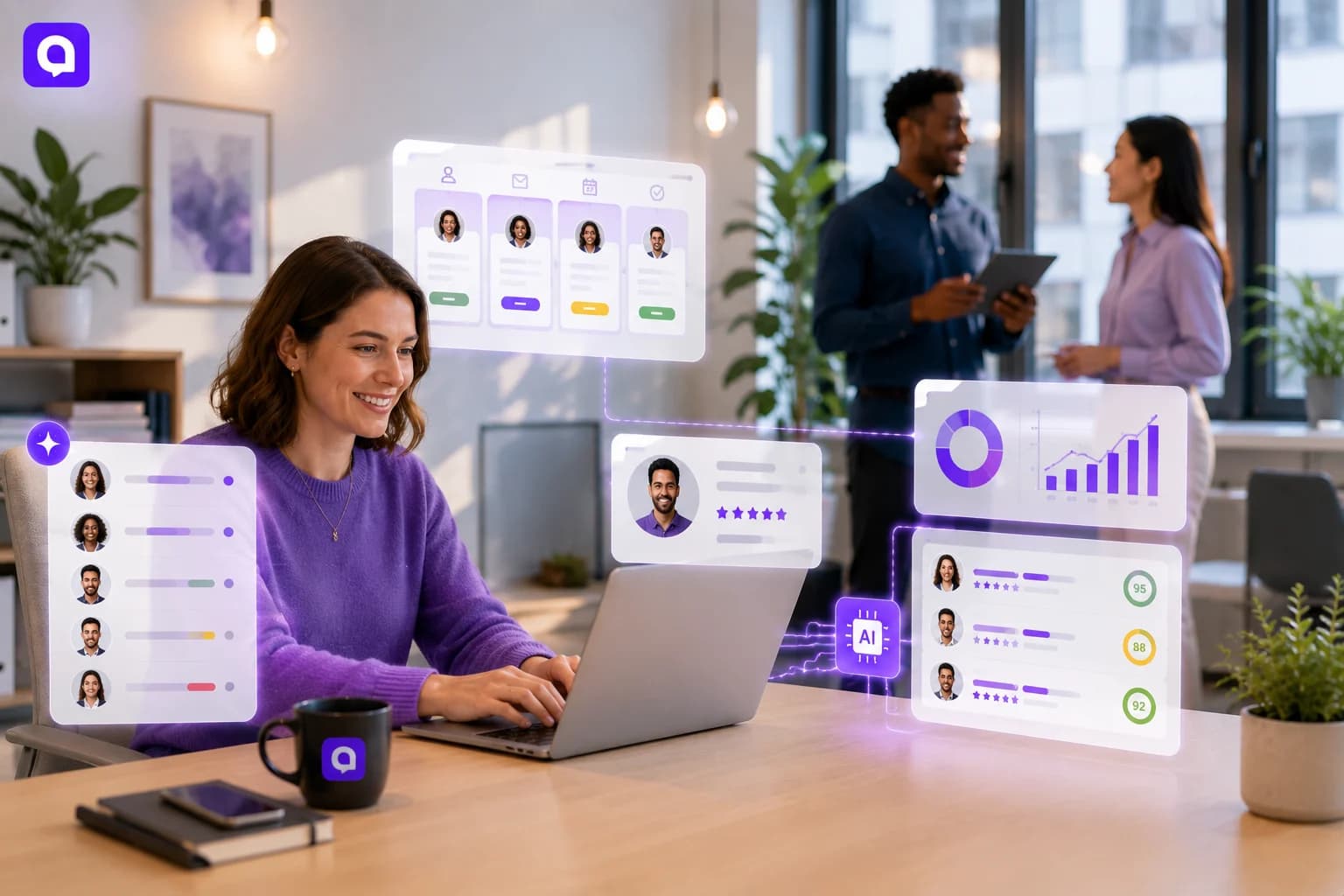
Alexia combines People Management, an ATS, reporting, workflow tools and collaboration within one platform. Its product materials describe employee records, onboarding, leave, timesheets and other people workflows alongside recruitment and Team Connect. Teams can evaluate whether that broader scope would help them manage people, hiring and day-to-day operations in one environment. Review current product, AI usage and plan terms, and verify that required workflows and permissions are available.
BambooHR
BambooHR is a people-focused platform for small and medium-sized businesses. Its product materials describe employee records, onboarding, leave management, performance processes and reporting through an HR system. As organizations grow, they may also connect separate recruitment, collaboration, payroll or analytics tools. Confirm current features and plan availability on its pricing information and check the integrations you require.
Rippling
Rippling combines HR with payroll, identity management and IT-related administration through an automation-focused platform. Its breadth and integrations may be useful for organizations with complex operational requirements. Review the modules, implementation and pricing in the specific offer, and ask for a demonstration of routine workflows so you can assess configuration and usability.
Put these ideas to work
See how the workflows covered in this article run inside the Teamified platform.
HiBob
HiBob focuses on people processes, employee experience, performance and workforce information. It may be relevant to mid-market organizations managing distributed teams. Businesses that need extensive recruitment or other operational workflows should check the current product boundaries and integrations rather than assuming all work is covered in one system.
Gusto
Gusto combines payroll with related HR capabilities, particularly for US businesses. It may suit smaller companies that want payroll and HR processes in a single service. Teams with more advanced performance, workforce analytics or recruitment requirements should confirm whether the current features and plan meet those needs. Verify current features, eligibility and regional coverage directly with the vendor.
Choosing the right HRIS for your stage
Choosing the right HRIS depends on company size, growth plans and the complexity of HR processes. The top HRIS software in 2026 is not necessarily the platform with the most features; it is the one that can support your team today while scaling with the business.
Smaller companies may prioritize ease of setup, employee self-service and essential HR workflows. Growing teams may need stronger automation, performance tracking and integrations across recruitment, payroll and communication tools. Larger organizations may require advanced analytics, compliance support and multi-location workforce management. Verify the available functionality with each provider, particularly where requirements depend on region or plan.
AI is raising the standard for HR software
The role of an HRIS has expanded beyond storing employee records. Modern HR platforms may help teams automate routine tasks, answer workforce questions and make decisions using current data, but the available tools and their accuracy vary.
AI may support HR teams by summarizing employee information, generating reports, identifying workforce trends, assisting with onboarding workflows or surfacing retention questions for human review. These are possible use cases, not a guarantee that a specific product includes them or that its output predicts an employee outcome. Businesses evaluating HR software should ask how AI supports everyday workflows, what information it uses, and how HR staff review its results.
Choosing the right HRIS for your business
The best HRIS system depends on where your business is today and where it is heading over the next few years. A platform that grows alongside your business may avoid replacing HR software, but that value depends on whether the product continues to fit your requirements.
If you are evaluating the best HR software or an HR information system that combines HR management with reporting, recruitment and collaboration, Alexia brings those capabilities together in one connected platform. Confirm the current product scope, plan terms and AI usage details, and compare them with your existing systems before deciding.

About the Author
Simon Lee
Co-Founder, Teamified
Simon Lee is the co-founder and CEO of Teamified, with deep expertise in cloud architecture, fintech, and SaaS platforms. He leads the vision behind Alexia.ai, designing AI-powered solutions that drive operational efficiency and business growth across global teams.
Connect on LinkedInExplore Alexia People Management
Review how People Management, recruitment and Team Connect fit within Alexia.